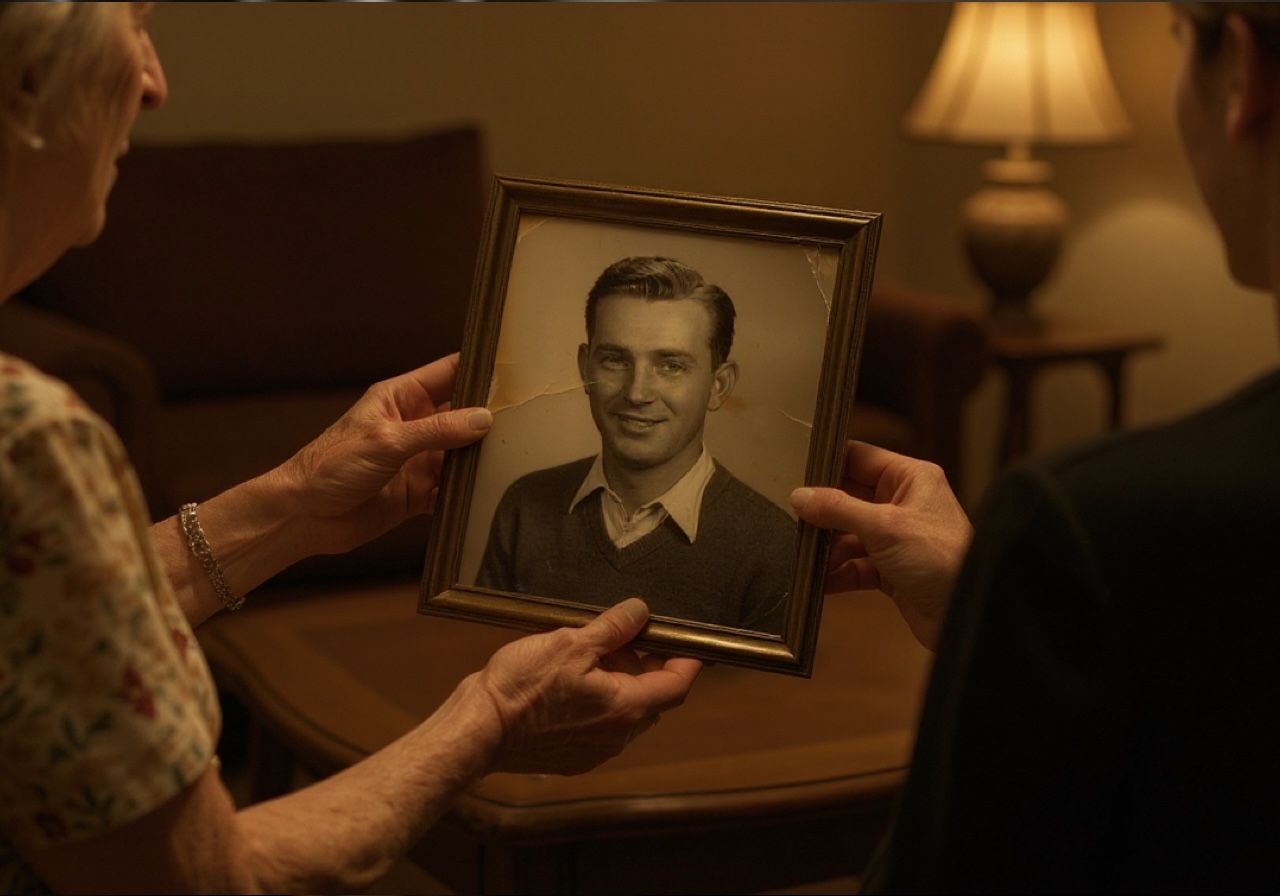
My grandmother kept a photo of my grandfather Arthur on the mantelpiece for as long as I can remember. One day I noticed how bad it had gotten — his eyes had faded from blue to grey, the contrast was gone, and the whole image looked like it was slowly disappearing. It had been sitting in sunlight for thirty years.
She noticed me looking at it and said something like, "I can barely see him anymore." That stuck with me.
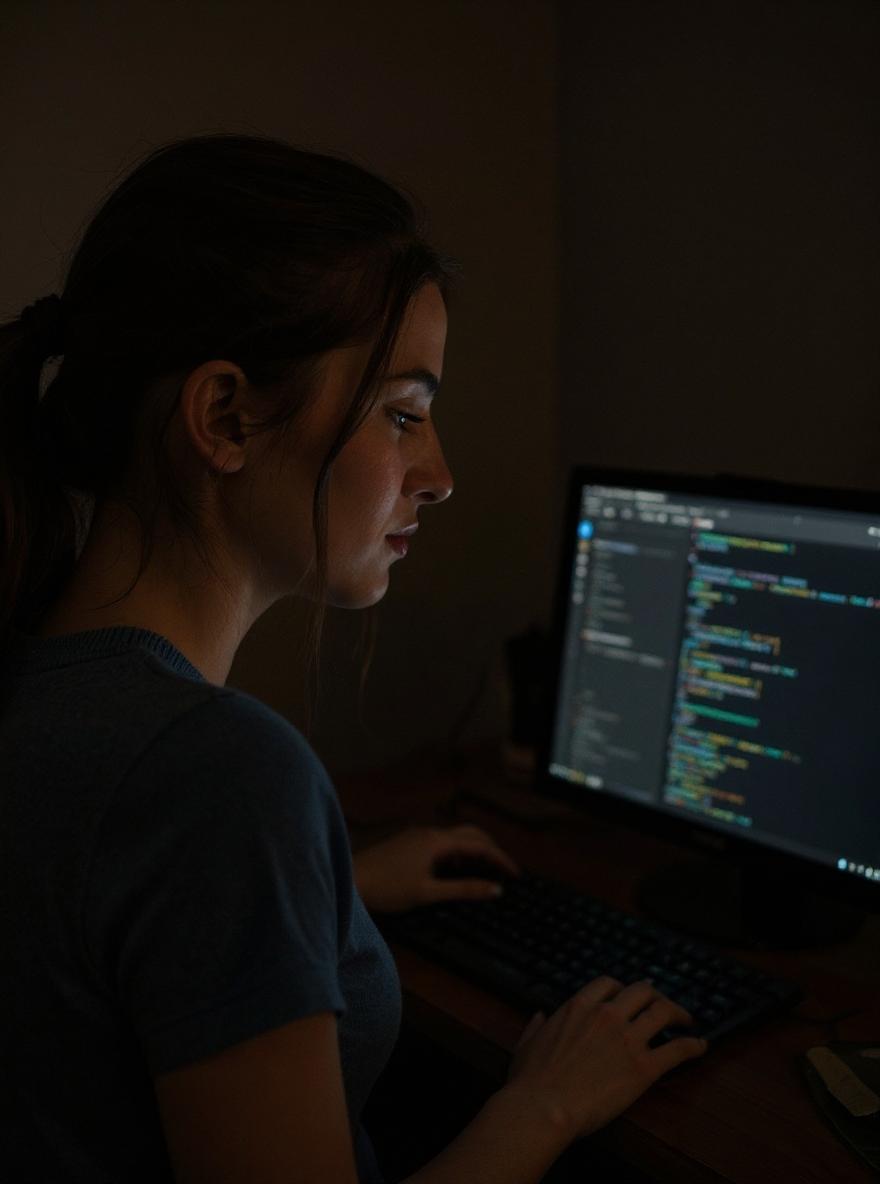
I started looking into what it would take to fix it. Traditional restoration shops wanted $80-150 and a two-week wait. I had a background in software, so I started experimenting with AI models that were trained on photo repair — feeding in damaged images and seeing what came back.
Most of the early results were bad. Faces looked wrong. Colors were off. But the technology kept improving, and eventually I found an approach that could handle fading, scratches, and tears while keeping the person looking like themselves. That was the hard part — not just fixing damage, but preserving who someone actually was.
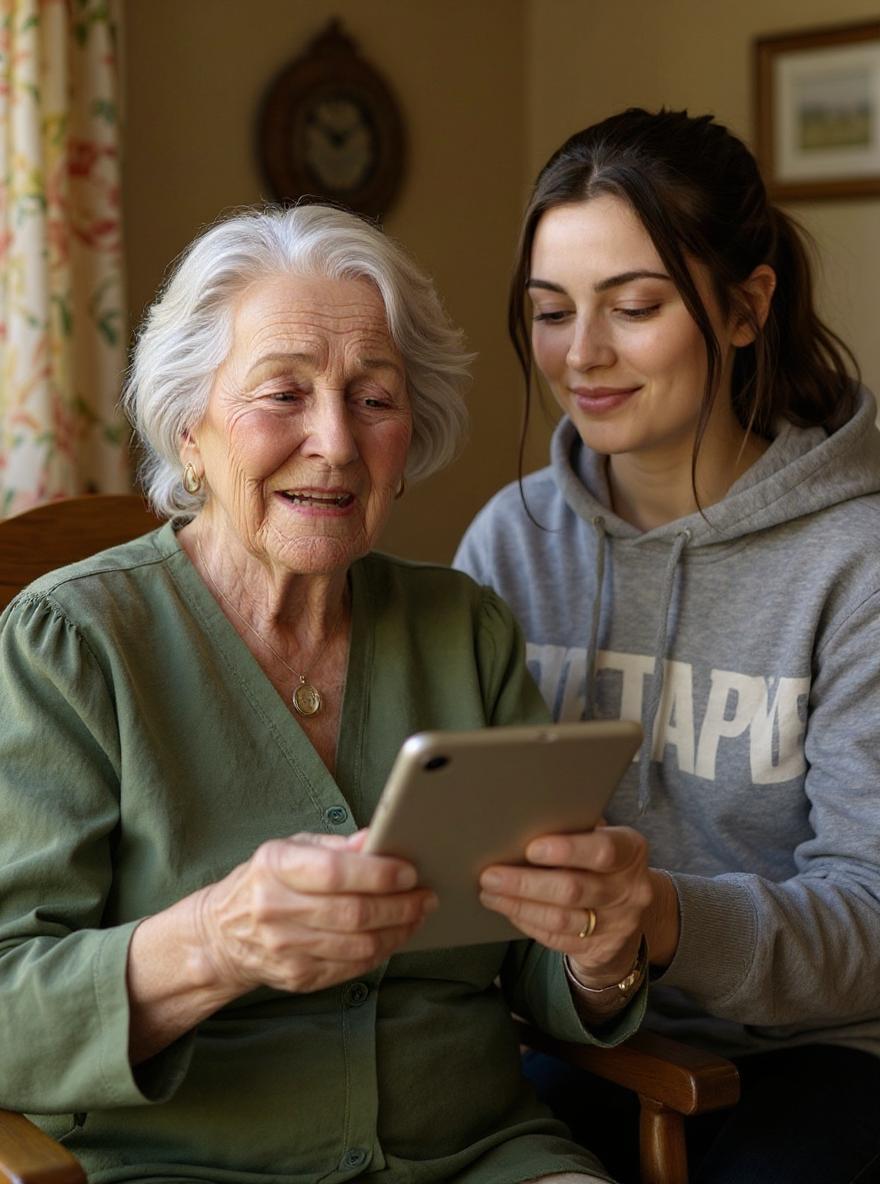
When I finally got Arthur's portrait right — his eyes back to blue, the contrast restored, his face sharp again — I showed it to my grandmother on a tablet. She put on her glasses, looked at it for a long moment, and said, "That's him. That's the blue."
She cried. I did too, honestly. It was just a photo, but it was also the clearest she'd seen his face in years. That's when I knew other people would want this too.
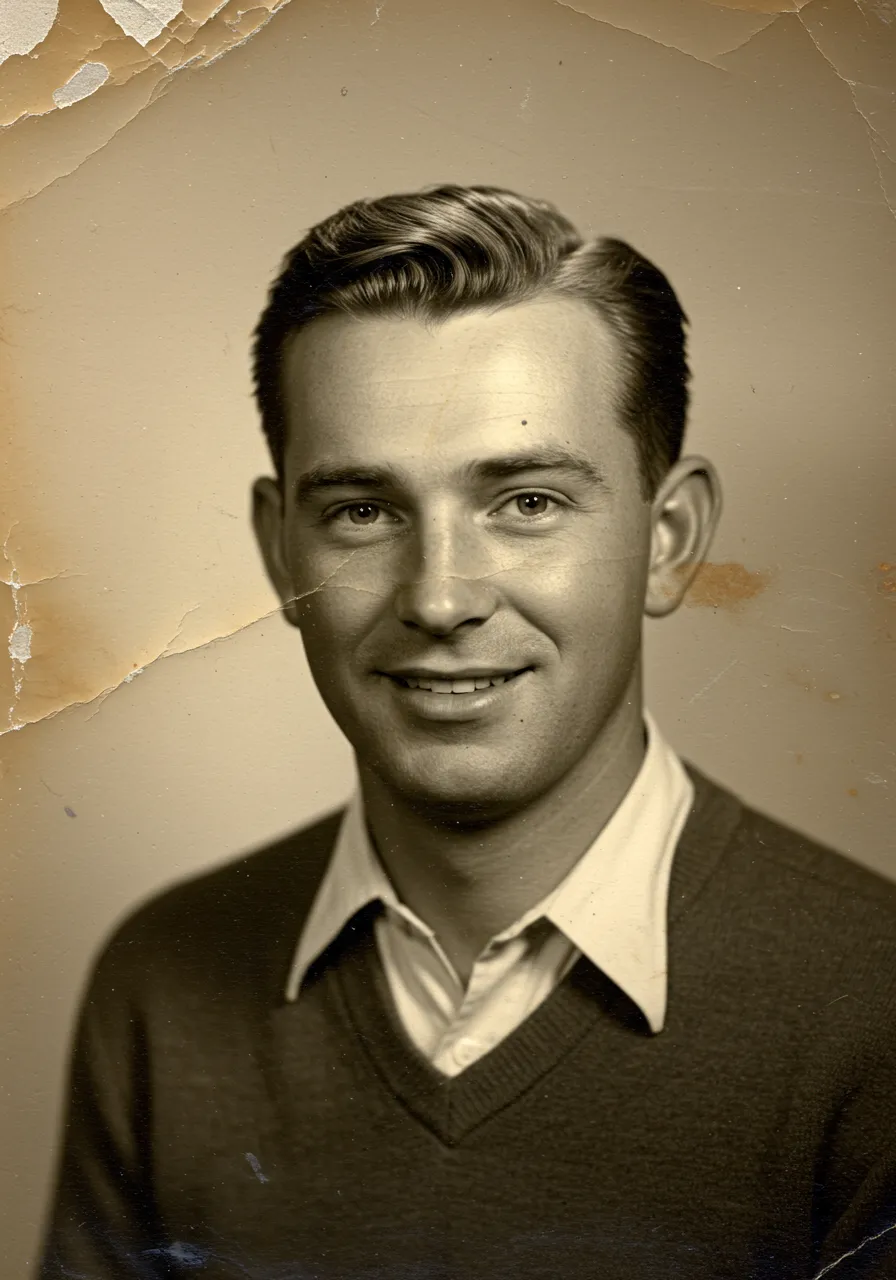
Arthur's Transformation
Drag the slider to see how we brought Granddad Arthur's bright blue eyes back to life

That was the start of RestoreClick. I built it as a service so anyone could upload a damaged photo and get it back repaired — without the $100+ price tag or the two-week wait that traditional restoration shops charge.
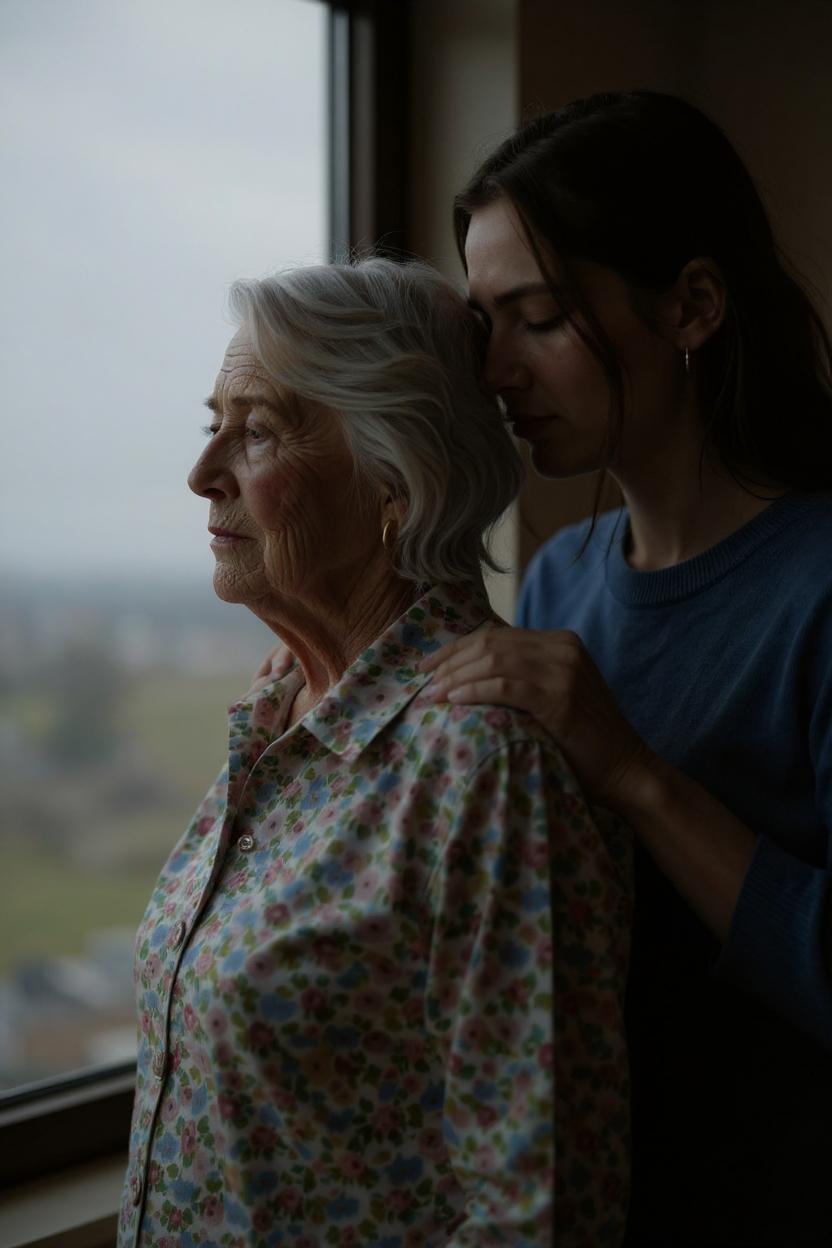
We've restored over 5,000 photos since then. Most take under two minutes. They cost $9.99 each. No subscriptions, no upsells, no waiting around.
From Lily
The AI does the heavy lifting — fixing scratches, rebuilding missing areas, correcting color. But I still look at edge cases personally when the automation isn't confident. Some photos need a human eye, and I'd rather spend the extra time than ship something that doesn't look right.
If you've got a photo that matters to you and it's falling apart, upload it. You'll see the result in minutes. If it doesn't look good, you don't pay.